


China 12 Oz Plastic Bottles - Manufacturer Guide & Insights
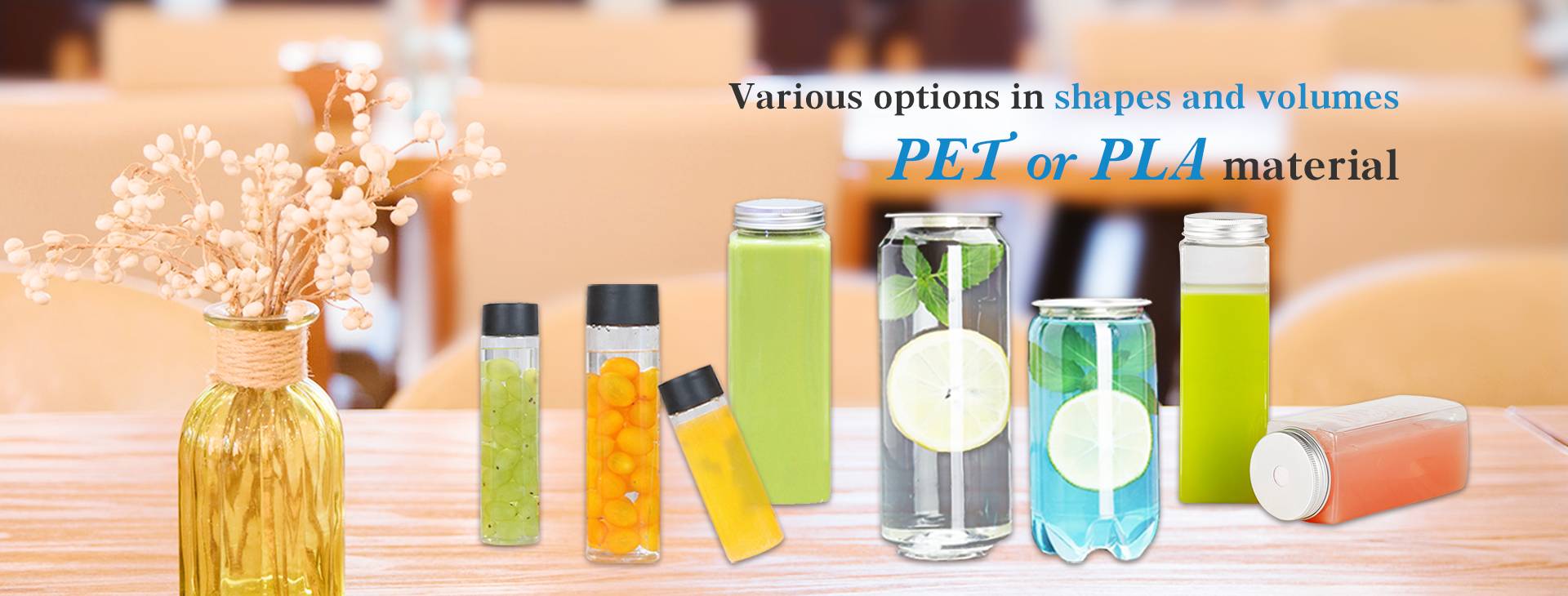
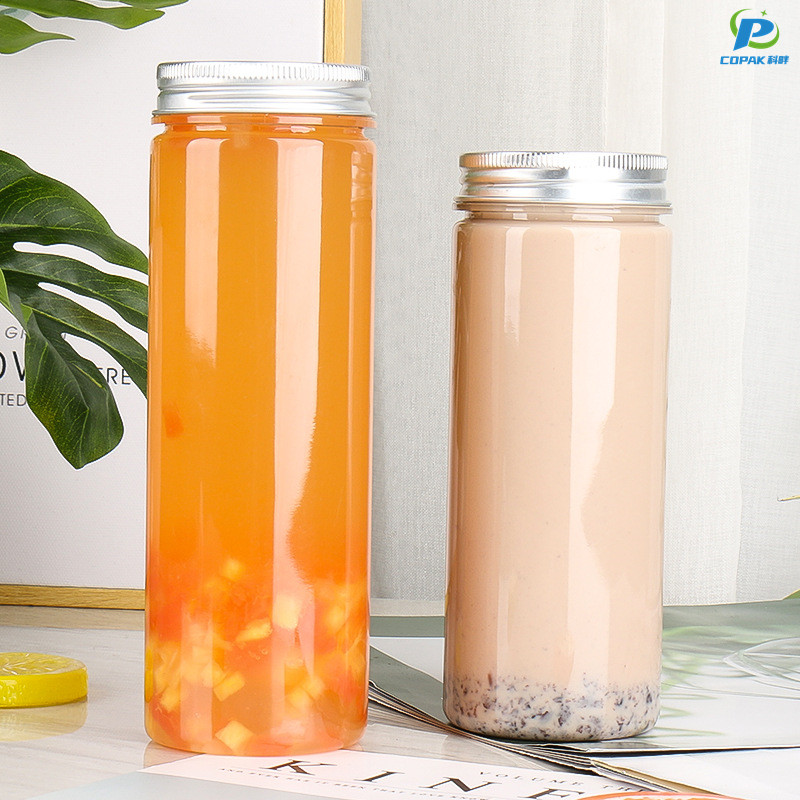
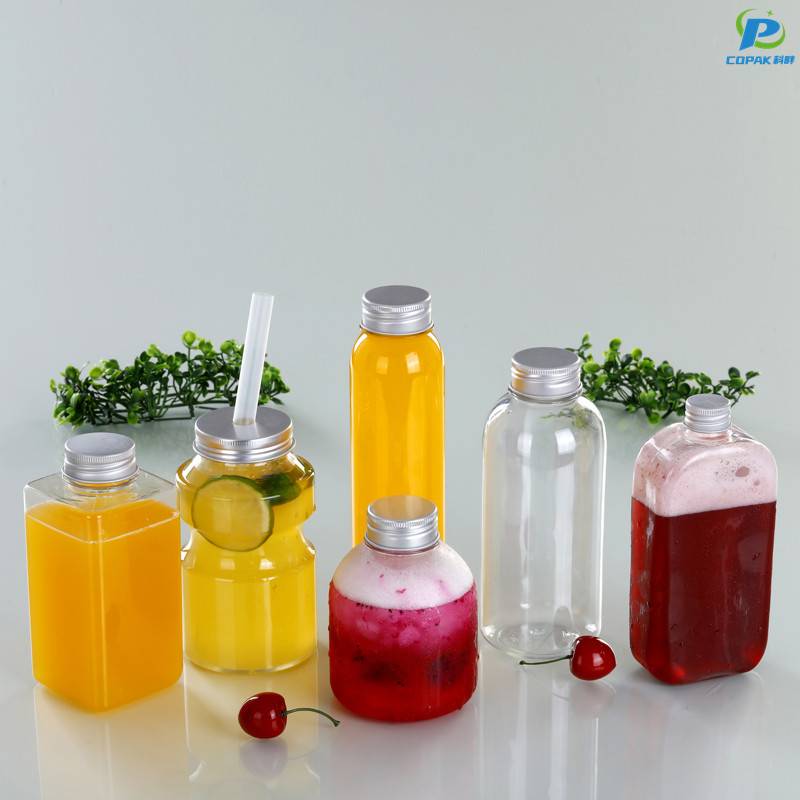
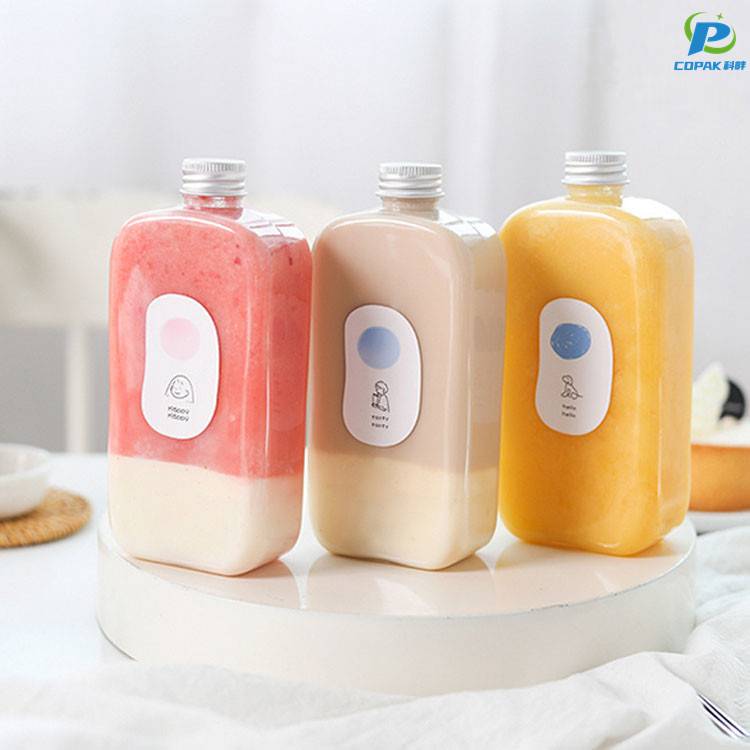
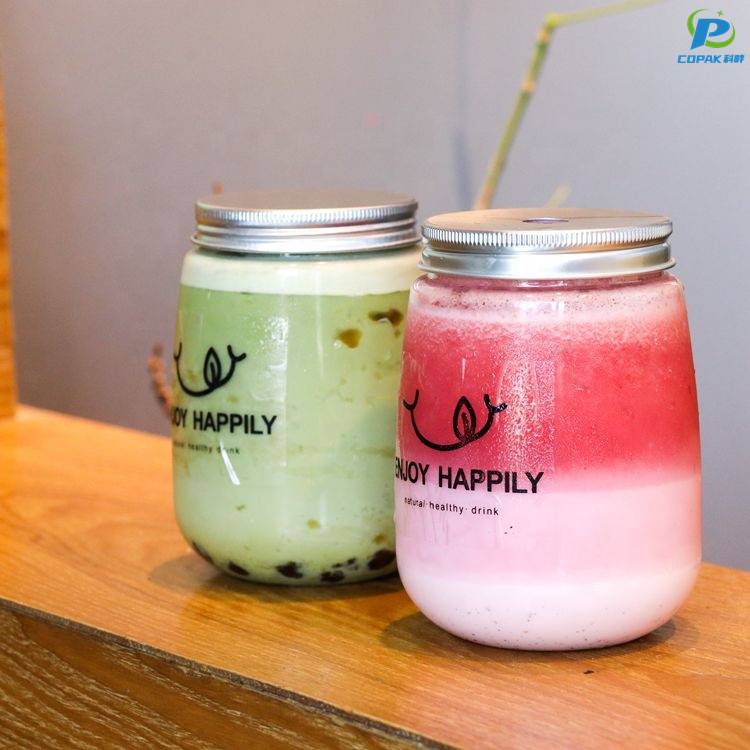
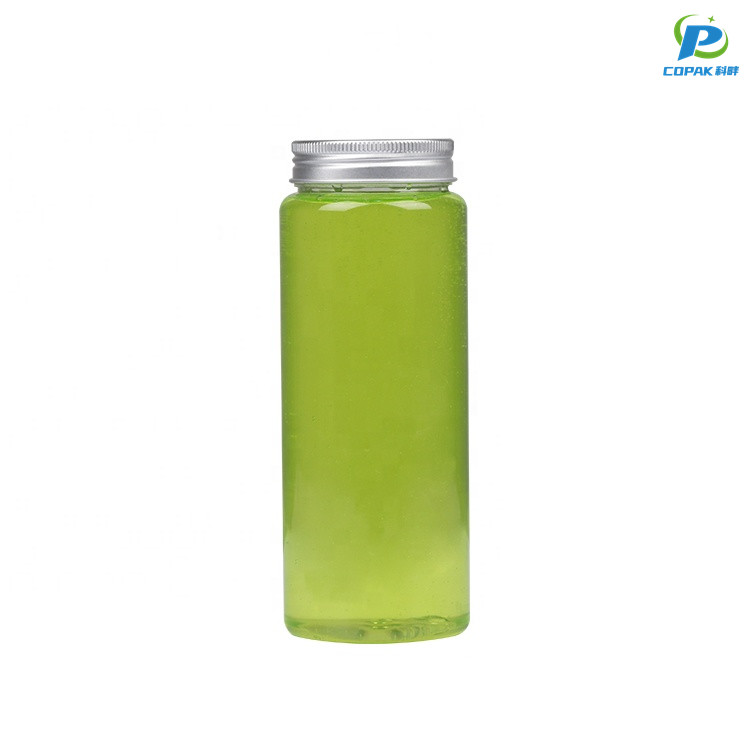
From our workshop to your shelves, we offer {China 12 Oz Plastic Bottles} built for brands that demand reliability. We are a {Manufacturer} in {China}, and we know how important it is to have bottles that perform. Our bottles are clear, impact resistant, and feature consistent wall thickness for precise filling. We provide customization options: cap sizes, neck finishes, printing, and labeling to fit your product line. We can supply in standard stock or as private label with your logo. We can meet large orders with quick lead times and scalable production. We ensure compliance with safety standards, BPA-free materials, and food-contact approved resins. For buyers looking for value, we offer competitive pricing and flexible packaging solutions. If you need help selecting a bottle for your market, we are here to guide you. Our team is ready to support your growth with dependable supply, flexible MOQs, and responsive service.




China 12 Oz Plastic Bottles Manufacturer Market Leader
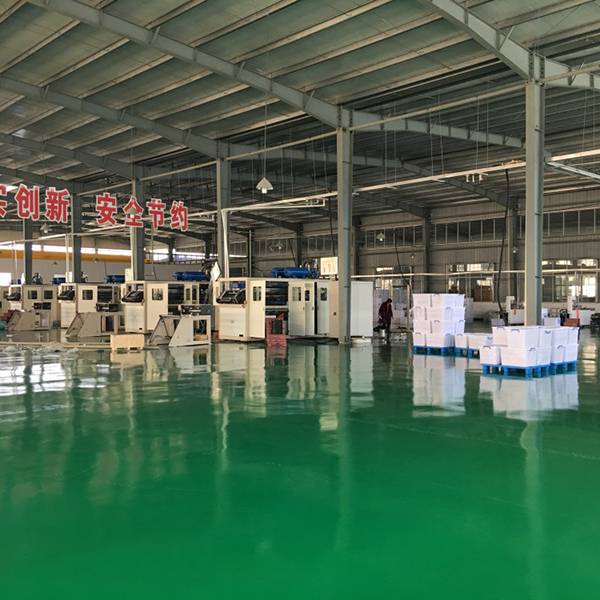
A Shanghai-based market leader in 12 oz plastic bottles combines advanced extrusion and injection molding lines with rigorous quality control to deliver consistent, food-grade packaging for beverage, condiment, and personal care brands worldwide. Offering OEM/ODM flexibility, custom colors, neck finishes, and decoration options, the factory balances high-volume capacity with short lead times and competitive pricing, while adhering to international safety and quality standards. Global buyers benefit from streamlined export experience, scalable production, low minimum order quantities, and sustainable material choices such as PCR and recyclable resins. Whether you're launching a new SKU or scaling seasonal demand, this partner provides reliable sampling, efficient logistics coordination, and responsive supply-chain support to keep your shelves stocked and margins healthy.
China 12 Oz Plastic Bottles Manufacturer Market Leader
| Attribute | Typical Value / Range | Notes |
|---|---|---|
| Standard Capacity | 12 oz (approx. 355 mL) | Common beverage and personal-care size; volume tolerance typically ±3%. |
| Primary Material | PET (Polyethylene Terephthalate) – Resin Code 1 | Widely used for beverages due to clarity and barrier balance; alternative materials (HDPE, PP, PLA) used for specific applications. |
| Manufacturing Method | Injection Stretch Blow Molding (ISBM) | Dominant process for clear, lightweight beverage bottles with consistent dimensional control. |
| Typical Empty Weight | 8 – 18 g (most common: ~10–14 g) | Depends on wall profile, base design and required drop/puncture resistance. |
| Wall Thickness | 0.3 – 0.9 mm | Optimized thickness for rigidity and material savings; thicker walls used for hot-fill or chemical packaging. |
| Neck Finish (Thread) | Common: 28mm (beverage), 24-410 (personal care) | Neck finish selected to match closure requirements (tamper bands, dispensing caps, sport caps). |
| Common Closure Types | Screw caps, sports caps, tamper-evident caps, dispensing pumps | Closure compatibility affects neck finish choice and sealing method. |
| Recyclability | Material recyclable (PET); typical post-consumer recycling rates vary 30%–60% | Recyclability depends on local collection & sorting systems; mono-PET preferred for closed-loop recycling. |
| Typical Fill Weight (water) | ~355 g (for 12 oz filled with water) | Useful for logistics and pallet weight calculations. |
| Temperature Resistance | Room temp to ~60°C short-term (special grades for hot-fill up to ~85°C) | Standard PET not suitable for repeated high-temperature sterilization; hot-fill requires tailored resins and preforms. |
| Recommended Sterilization / Sanitization | Cold-fill pasteurization, chemical sanitizers, UV/ozone for closures; limited steam/autoclave use | Sterilization method must match material grade; full autoclave generally avoided for standard PET bottles. |
| Regulatory Compliance | Food contact approvals: FDA-type approvals, EU food contact regulations (e.g., EU 10/2011), GB standards | Specific certification depend on final application and exporter documentation; traceable material certificates commonly provided. |
| Production Output per Line (typical) | ~50 million – 300 million units per year (line-dependent) | Output varies by machine configuration, cycle time, shifts, and automation level. |
| Average Lead Time (samples → bulk) | Sample: 7–14 days; Bulk: 30–60 days | Lead times influenced by tooling readiness, seasonal demand, raw material availability, and shipping schedules. |
| Primary Export Regions | North America, Europe, Southeast Asia, Middle East | Export volumes shift with demand cycles and regional beverage/personal-care markets. |
| Common Applications | Carbonated & non-carbonated beverages, juices, water, personal care, condiments, light chemicals | Designs adapted for carbonation resistance when needed (base geometry, material thickness). |
| Typical Color & Finish Options | Clear, natural, solid colors, tinted transparent; glossy or matte surface | Color achieved via masterbatch or post-decoration; recycling often prefers clear/mono-materials. |
| Surface Decoration Methods | Pressure-sensitive labels, shrink sleeve, screen printing, hot stamping, vacuum metallization | Sleeves cover full body; printing methods chosen for durability and regulatory marking needs. |
| Typical Dimensional Tolerance | Volume ±3%; linear dimensions ±1.0–2.5 mm | Tighter tolerances achievable with precision tooling and quality-controlled production runs. |
| Barrier Properties | Standard PET: moderate O2/H2O barrier; barrier-enhanced multi-layer options available | Oxygen barrier critical for sensitive beverages; EVOH or coatings used in multi-layer constructions. |
| Biodegradability / Compostability | Standard PET: not biodegradable; PLA/compostable alternatives available but less common for carbonated beverages | End-of-life strategy typically focuses on recycling rather than composting for PET-based bottles. |
| Quality & Management Standards | Commonly implemented: ISO 9001, HACCP practices for food-contact lines | Factory-level certifications help meet buyer compliance requirements and audits. |
Related Products
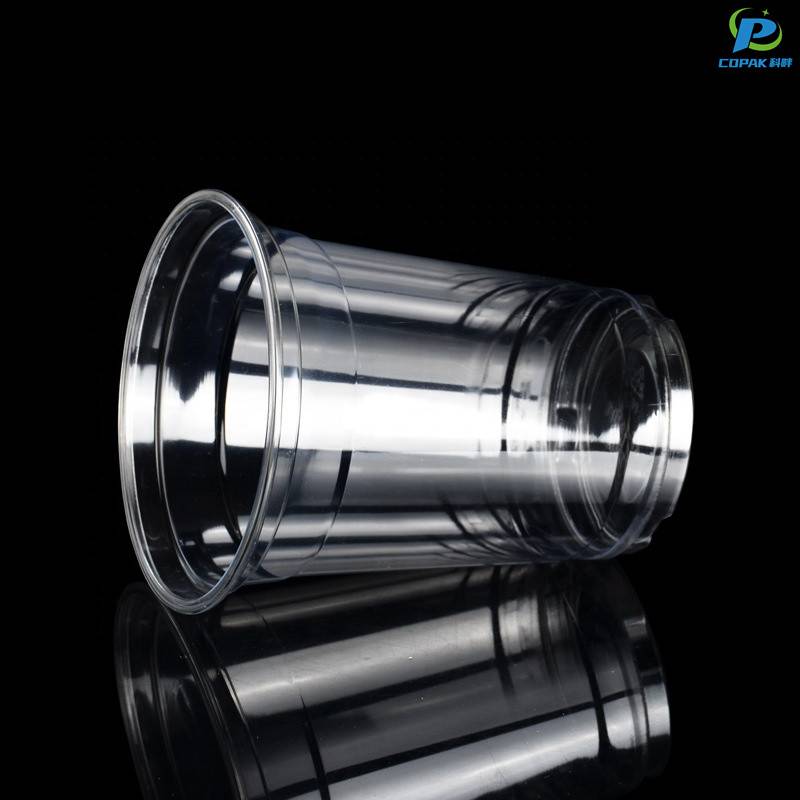
Wholesale 250ml 330ml 500 ml PET Plastic Cups Pop Juice Can Empty Round Bubble Milk Tea Juice Coffee Beverage Bottles
Read More
China 12 Oz Plastic Bottles Products Supplies the World\u2019s Top Brands
Top Selling Products







- Related Blog
- Reviews
- Reviews
