



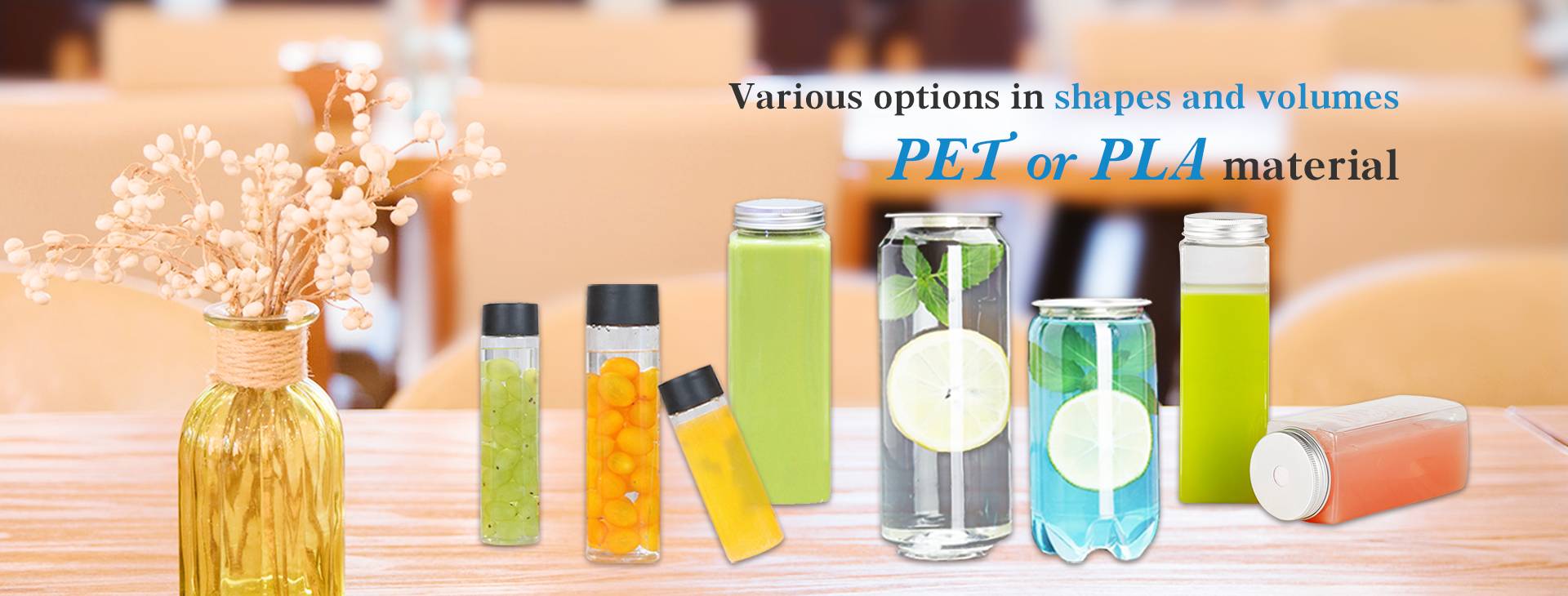
Clear Plastic Bottles Product - China Manufacturer for Bottling
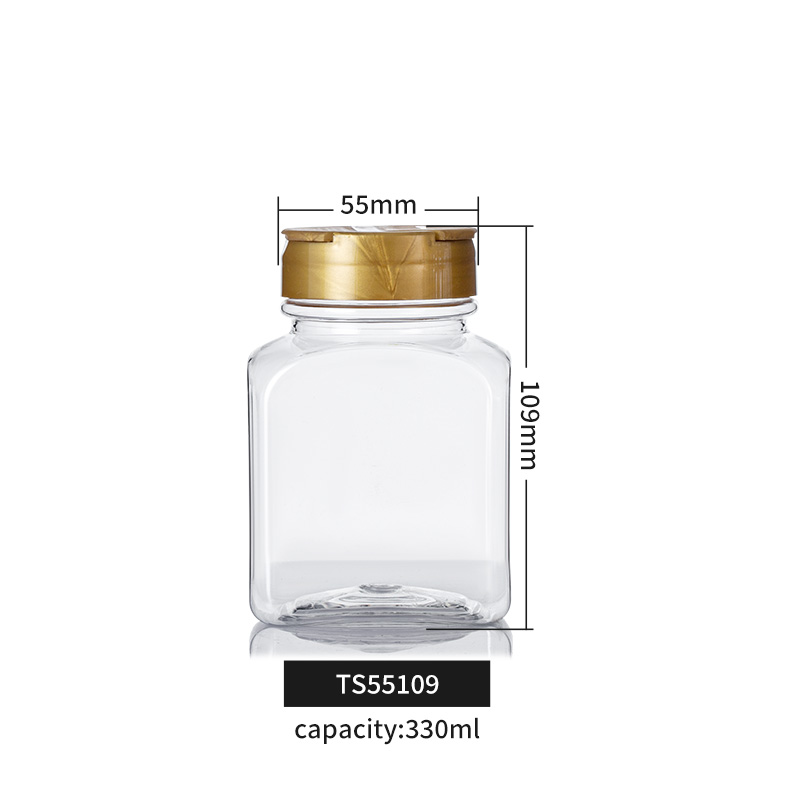
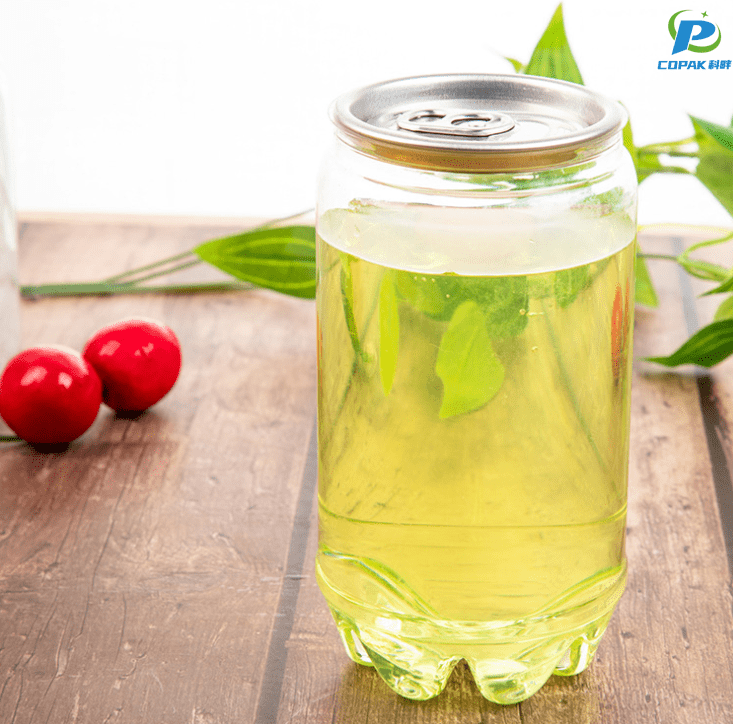
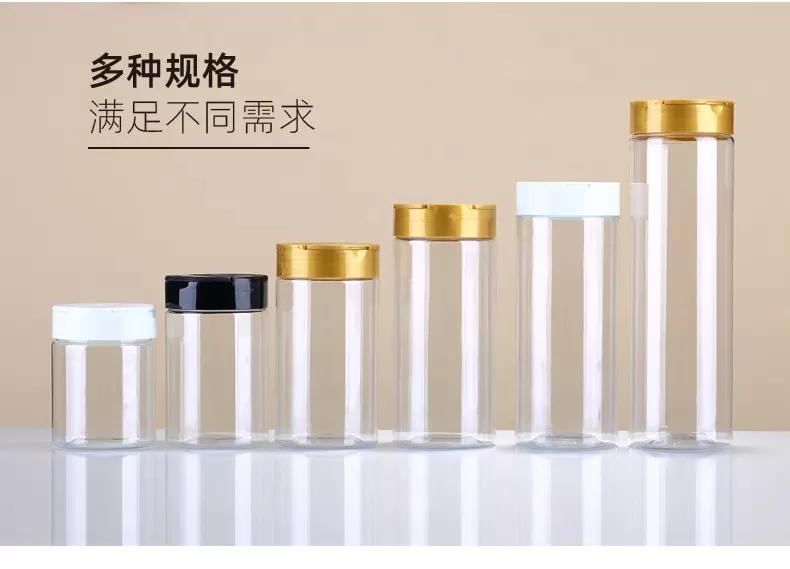
I’m a {China} based {Manufacturer} and I’m sharing my reliable {Clear Plastic Bottles Product} line for B2B buyers who want quality, consistency, and speed. Our bottles are crystal clear, lightweight, and made from food-grade PET, perfect for lotions, serums, oils, and syrups. We offer a range of sizes, from small 10 ml sample bottles to 500 ml refill jugs, with child-resistant and flip-cap options, tamper-evident bands, and leak-proof threaded necks. I can customize caps, labeling, and printing to your brand specs, with short lead times and bulk pricing. Our quality management follows strict international standards, and we ship worldwide from strategically located warehousing. If you’re sourcing in {China} or elsewhere, we got you covered—fast delivery, stable supply, and scalable packaging solutions. Let me know your bottle count and bottle finish, and I’ll tailor a quote today.


Clear Plastic Bottles Product Dominates Outperforms the Competition
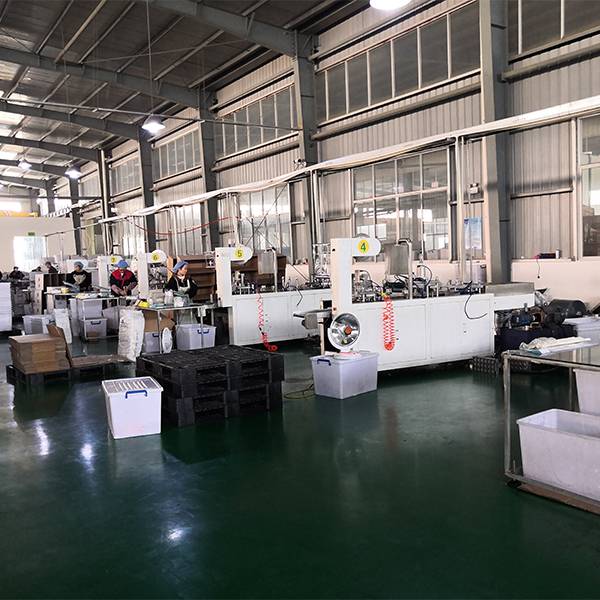
Clear plastic bottles have emerged as the preferred choice for global buyers seeking unmatched clarity, strength and cost-efficiency. Engineered with high-clarity PET and advanced injection/blow molding processes, these bottles outperform alternatives in optical appearance, impact resistance and barrier properties while remaining lightweight and transport-friendly. Consistent wall thickness, precise neck finishes and compatibility with a wide range of closures and labeling systems ensure superior filling-line performance and lower total packaging costs compared with glass or lower-grade plastics. For international procurement, the product offers flexible customization, rigorous quality controls, and compliance with global food, cosmetic and pharmaceutical standards. Scalable production, reliable lead times and eco-conscious options (recyclable grades and reduced material designs) make these clear plastic bottles an attractive solution for brands aiming to balance aesthetics, functionality and sustainability. Samples, technical specifications and certification documentation are available to streamline evaluation and sourcing decisions.
| Material | Typical Use-case | Transparency (Light Transmittance) | Haze (%) | Density (g/cm³) | Tensile Strength (MPa) | Elongation at Break (%) | Oxygen Transmission Rate (cc·m⁻²·day⁻¹) | Water Vapor TR (g·m⁻²·day⁻¹) | Heat Deflection Temp (°C) | Recyclability / End‑of‑life | Manufacturing Process | Performance Remarks |
|---|---|---|---|---|---|---|---|---|---|---|---|---|
| Clear PET Dominant | Beverage bottles, water, soft drinks, clear liquid packaging | 90–92% | <2% | 1.38 | 55–75 | 50–150 | 2–10 | 0.2–0.5 | 70–80 | Widely mechanically recyclable (widely collected) | Injection stretch blow molding (ISBM) | Excellent clarity, lightweight, good overall barrier for most non-sensitive beverages. |
| Clear rPET (Recycled PET) Sustainable | Eco-focused beverage containers, non-critical cosmetics | 85–90% | 3–6% | 1.38 | 50–70 | 40–120 | 3–12 | 0.25–0.6 | 65–75 | Recyclable but quality depends on input stream and processing | ISBM with regrind/blending — variable color control | Lower clarity and slight variability vs virgin PET; strong sustainability benefits. |
| Clear PLA (Polylactic Acid) Compostable | Short-term drinks, cold-serve dispensers, single-use clear bottles | 88–92% | 4–6% | 1.24 | 50–70 | 3–10 | 10–30 | 0.6–1.5 | 50–60 | Industrial compostable (limited mechanical recycling streams) | Injection molding, extrusion blow molding | Very good clarity but low heat resistance and brittle (limited hot filling). |
| Clear Tritan (Copolyester) High‑Performance | Reusable water bottles, sports bottles, durable clear containers | 93–95% | <1.5% | ≈1.21 | 60–80 | 100–300 | 1–5 | 0.15–0.4 | 90–120 | Technically recyclable (less common in curbside streams) | Injection molding (solid parts) / extrusion for preforms | Outstanding toughness and clarity; higher heat resistance and durability for reuse. |
| PET with Barrier Layer (coating / EVOH / SiOx) Barrier Optimized | Sensitive beverages, long shelf-life juices, oxygen-sensitive liquids | 88–92% | 1–3% | 1.38 (+thin barrier) | 55–75 | 50–150 | 0.1–1 | 0.1–0.3 | 70–80 | Recyclability depends on barrier technology (coating vs co‑extrusion) | Coating, plasma/SiOx, or co‑extrusion with barrier layers | Significantly improved gas barrier; ideal when shelf stability is critical, but coating may complicate recycling. |
Related Products
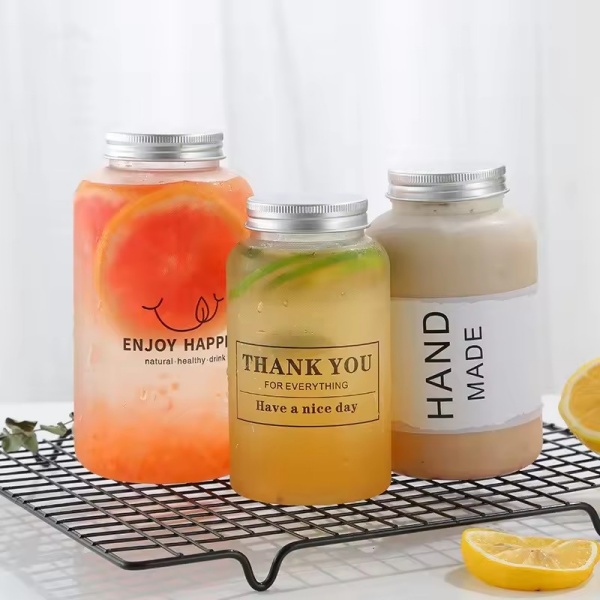
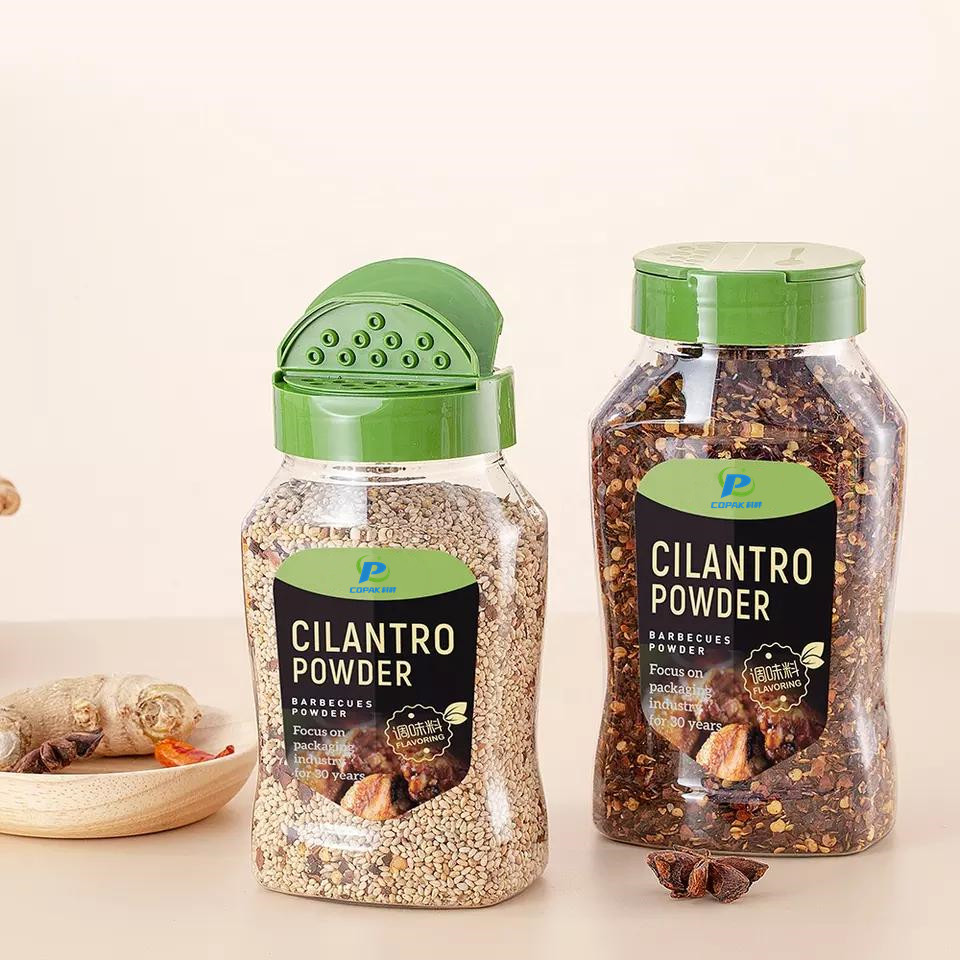


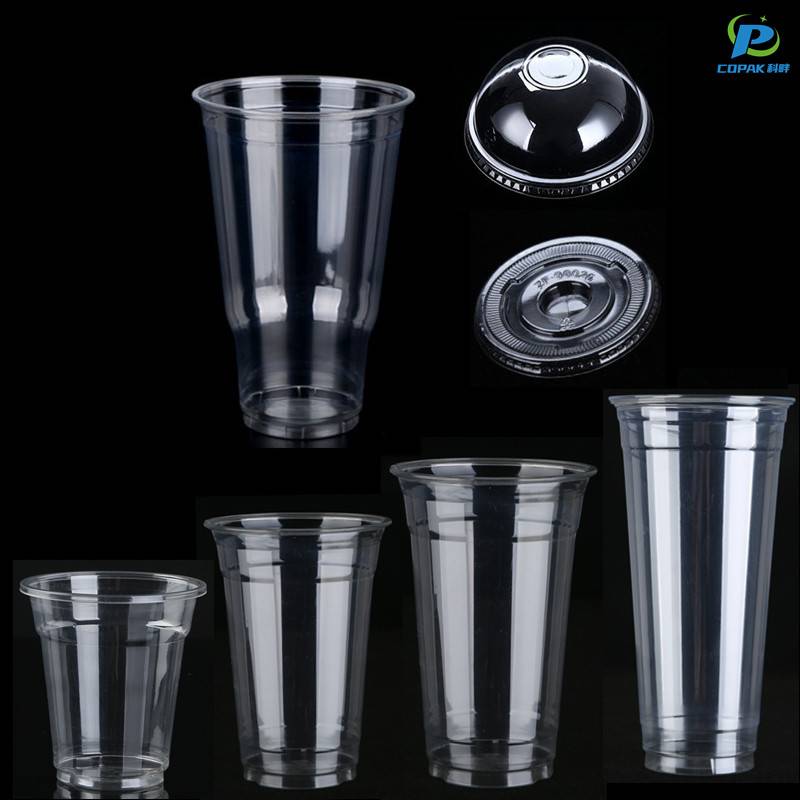

Clear Plastic Bottles Product Service Trusted by Pros
Top Selling Products





- Related Blog
- Reviews
- Reviews

- English
- French
- German
- Portuguese
- Spanish
- Russian
- Japanese
- Korean
- Arabic
- Irish
- Greek
- Turkish
- Italian
- Danish
- Romanian
- Indonesian
- Czech
- Afrikaans
- Swedish
- Polish
- Basque
- Catalan
- Esperanto
- Hindi
- Lao
- Albanian
- Amharic
- Armenian
- Azerbaijani
- Belarusian
- Bengali
- Bosnian
- Bulgarian
- Cebuano
- Chichewa
- Corsican
- Croatian
- Dutch
- Estonian
- Filipino
- Finnish
- Frisian
- Galician
- Georgian
- Gujarati
- Haitian
- Hausa
- Hawaiian
- Hebrew
- Hmong
- Hungarian
- Icelandic
- Igbo
- Javanese
- Kannada
- Kazakh
- Khmer
- Kurdish
- Kyrgyz
- Latin
- Latvian
- Lithuanian
- Luxembou..
- Macedonian
- Malagasy
- Malay
- Malayalam
- Maltese
- Maori
- Marathi
- Mongolian
- Burmese
- Nepali
- Norwegian
- Pashto
- Persian
- Punjabi
- Serbian
- Sesotho
- Sinhala
- Slovak
- Slovenian
- Somali
- Samoan
- Scots Gaelic
- Shona
- Sindhi
- Sundanese
- Swahili
- Tajik
- Tamil
- Telugu
- Thai
- Ukrainian
- Urdu
- Uzbek
- Vietnamese
- Welsh
- Xhosa
- Yiddish
- Yoruba
- Zulu